• Home
  • Membership
  • Shop
  • Cart
  • Our Farm
  • Gut Health
  • Herbal Practice
  • Buy Trusted Supplements
  • Nav Social Icons

  • Skip to primary navigation
  • Skip to main content
  • Skip to primary sidebar
  • Skip to footer
  • Home
  • Blog
  • About Me
  • Our Farm
  • Gut Health
  • HH Membership
  • My Books
  • Youtube
  • Podcast
  • Homesteading
  • Chickens
  • Herbs
  • Family
  • Farmhouse
  • Homemaking
  • Recipes
  • Sourdough
  • Contact Me
  • Herbal Practice
  • Buy Trusted Supplements
  • Mobile Menu Widgets

    Search

    Connect

Amy K Fewell | Homesteading for the Kingdom

Amy K Fewell | Homesteading for the Kingdom

  • Start Here
    • About Me
    • My Books
    • Podcast
    • Youtube
    • Gut Health
  • Blog
    • herbs
    • Bees
    • chickens
    • rabbits
    • Farmhouse
    • gardening
    • devotional
    • homemaking
    • sourdough
    • recipes
  • Courses & Books
    • HH Membership
    • My Books
  • herbs
  • Podcast
  • Contact Me

The Importance of Culling on the Homestead

April 3, 2018 · In: chickens, Featured, homesteading, rabbits

The Importance of Culling on the Homestead

Sometimes talking about sustainable farming means you have to talk about the hard stuff. The real stuff. The stuff that makes people look at you weird or think you’re a horrible person. One of those things is the process of a type of “natural selection”. And not in the evolution type of theory.

It’s the big “C” word that we don’t like to say, but that is absolutely necessary on the homestead, and that word is “cull”.

We can talk about herbs and natural preventatives all we want, all day long. And while I am a huge advocate of them, I understand that, in a sustainable farming set-up, I must cull if I want the best livestock I’ve ever had. It’s not just for my own sanity, it’s the necessary responsibility of a good farmer or homesteader.

There are many landrace breeds in livestock that you can own. Owning Icelandic chickens was one of the more interesting experiences for us (when we had them), because they truly were a landrace. They were different than our other chickens. They foraged differently. They slept differently. They interacted differently. Because for the last few centuries, they’ve had to. They’ve had to adapt to their surroundings. Not just when it comes to predators, but when it comes to diseases, parasites, breeding, and more.
People will often ask someone like Joel Salatin, “how do you worm your animals?” And he’ll chuckle and say, “well, we don’t.”

Most often, he doesn’t have to worm his animals due to the rotation of pasture and the method of allowing chickens to clean up the mess once the cows rotate. But if we want to get real here, we also know that if an animal is susceptible to getting worms—or any illness for that matter—then they aren’t worth keeping in a sustainable homesteading or farming lifestyle. And thus, the method of selecting or “holding back” the hearty livestock, and culling the rest. You then breed the hearty livestock that is not susceptible to issues, and you get a better group of livestock with each generation of selecting and holding back.

Let me just remind you that we’re talking about sustainable farming here, not just having a few chickens in the backyard. You’re perfectly fine purchasing a few chicks from the store every year if you’re just using egg layers. But in a sustainable farming business or practice, the game changes, drastically.
What Does “Cull” Mean?

We hear the word “cull” in the homesteading community, and we immediately think “kill”, but that’s just not true. Culling is the process of “getting rid of” something. By your own choice, that can mean to kill or process, reaping the benefits of meat for your family. Or it could mean to sell or give away. When you see people selling livestock at auctions or farm sales, this is an act of “culling” your extras or non-desirable livestock. It doesn’t mean the stock is bad, it just means you don’t need it, or it’s of no further use to you in your breeding program.
Your Stock’s Offspring is Stronger

It’s the same with chickens, cows, pigs . . . any livestock. If you have a chicken that gets away from predators like nobodies business, hatch her eggs. She’ll pass on those traits to her offspring. If you have a cow that’s exceptionally healthy when others in your herd haven’t been, breed her. She’ll pass those desirable genetics onto her offspring. All within reason, of course. 
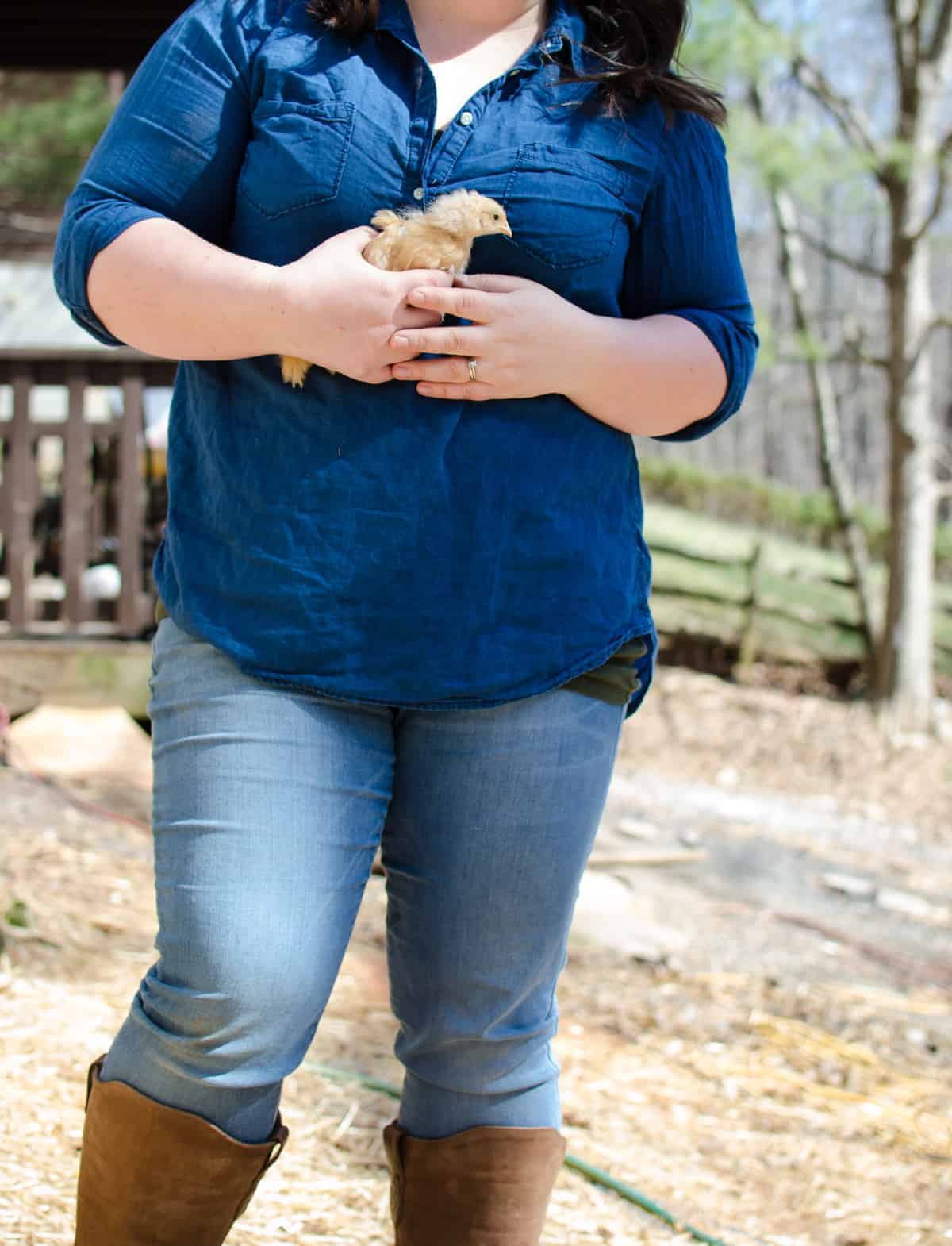
We find, more often than not, that when we began hatching our own chicks from our own flock, our flocks became increasingly more healthy, alert, and sustainable. When we purchase hatchery birds, while still being extremely useful, they aren’t as sustainable as the birds we hatch.

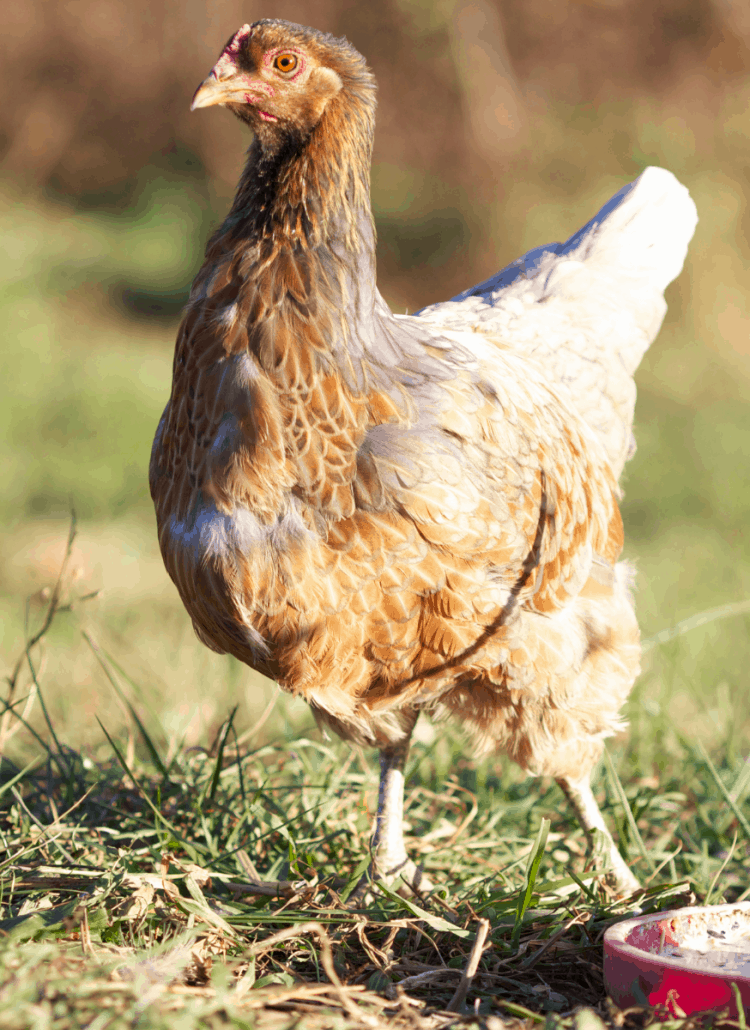
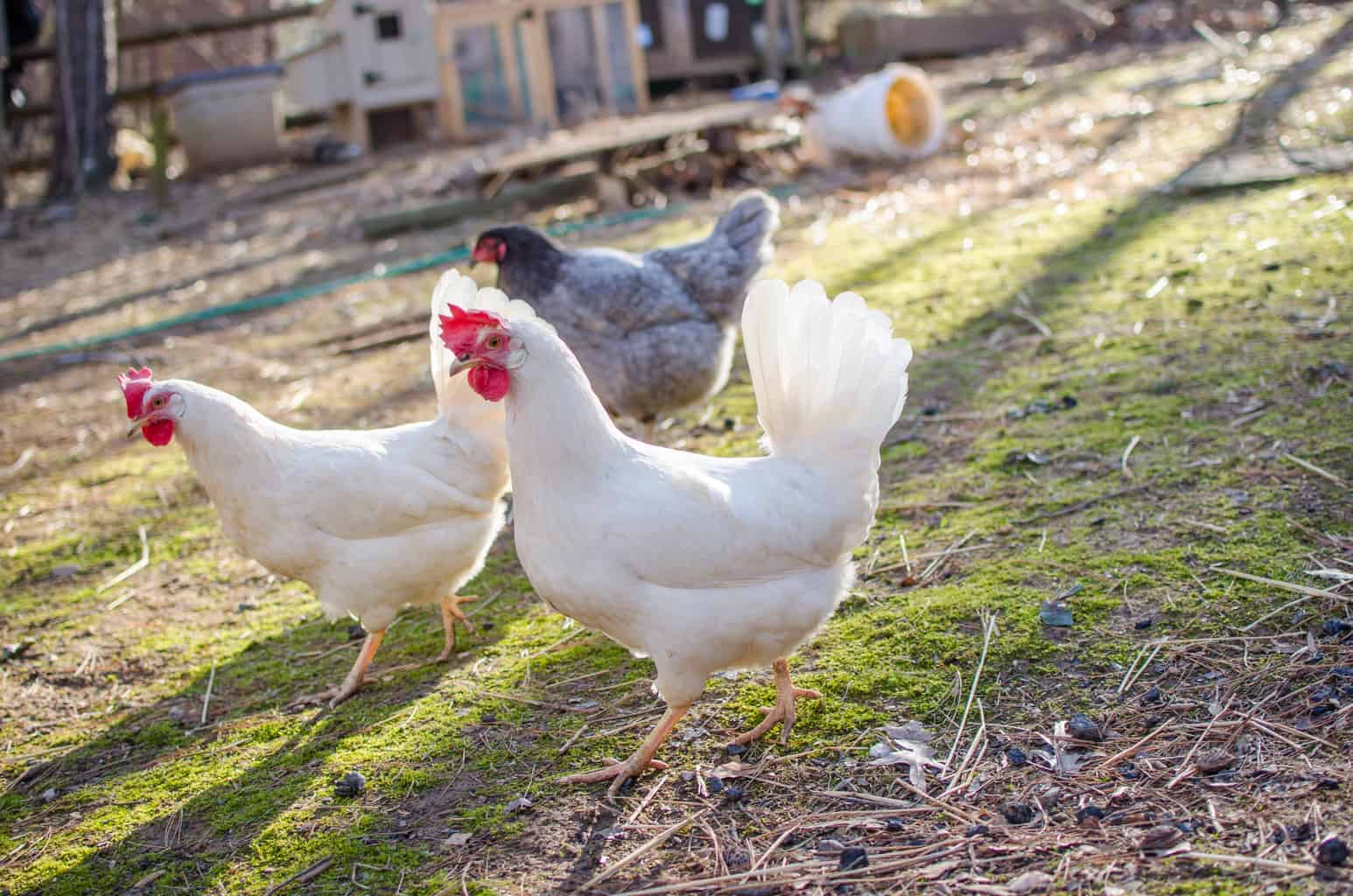
Here’s an example—a few months ago my flock had mites. This is a first for us, we’ve never had them before in all the years of chicken keeping and using herbal preventatives. Our flock consists of several hatchery birds that we had purchased previously that summer (White Leghorns, to be exact). The remainder of the flock consists of about four birds that we hatched from our own previous stock, years ago.

As I inspected each chicken that was in my flock, I noticed that the bulk of the mites were on the leghorns, while there were very few on the chickens we had hatched in previous years. In fact, two of the chickens we hatched most recently from our own stock didn’t have mites at all.

This was not coincidental, and my experience in genetics and breeding allowed me to realize this. This was the act of breeding livestock that had been hearty and not susceptible to parasites.

Another example—one year I purchase chicks from the farm store after I had hatched chicks of my own stock from the day before. They all housed together. Several of the hatchery chicks died, none of the chicks we hatched from our own stock died. As they grew, we found the hatchery juvenile chicks to be more susceptible to becoming egg-bound, not foraging as much as the chicks we hatched, and other issues that could arise.

Whether it’s a chick or a cow, these things continue to remain in genetics, and it’s why many sustainable farmers choose not to bring outside livestock onto their property unless they absolutely have to for better genetic lineage.
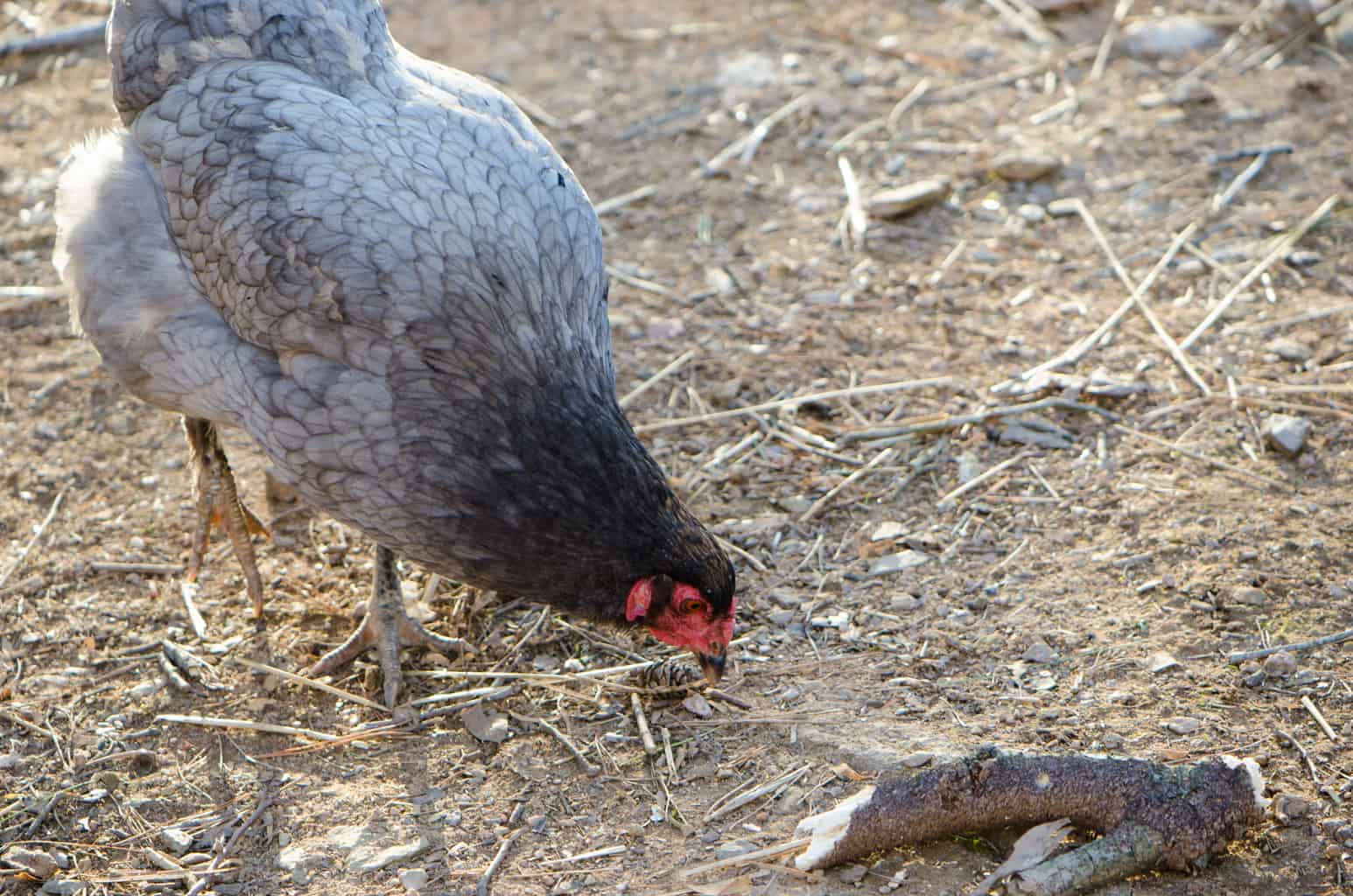
Culling is Good Animal Husbandry

I can remember the first time I mentioned culling in a local chicken group—I got mobbed. For starters, they didn’t realize that in the farming world, culling doesn’t just mean to “kill” (see above). And secondly, we apparently live in a generation where everything should live for 1,000 years on a farm whether it’s useful or not. And while I get that (and I have many of those myself!), when push comes to shove, sometimes you have to do nature a favor and cull.

If you aren’t actively breeding your livestock, this doesn’t pertain to you. But if you are actively breeding your livestock, then it is your responsibility to not breed whatever animals you can throw together.

In order to maintain a sustainable environment, to keep good and healthy livestock, and to be a good livestock keeper, you must cull out the livestock that isn’t beneficial to your breeding program. Otherwise, you’ll run into genetic issues, animals that are more susceptible to diseases and parasites, or worse. Let’s not forget that eventually, you’re going to want to sell some of that offspring. Are you going to start putting out bad stock into the breeding pool for others?

Consider this before and after breeding before things get “worse”.
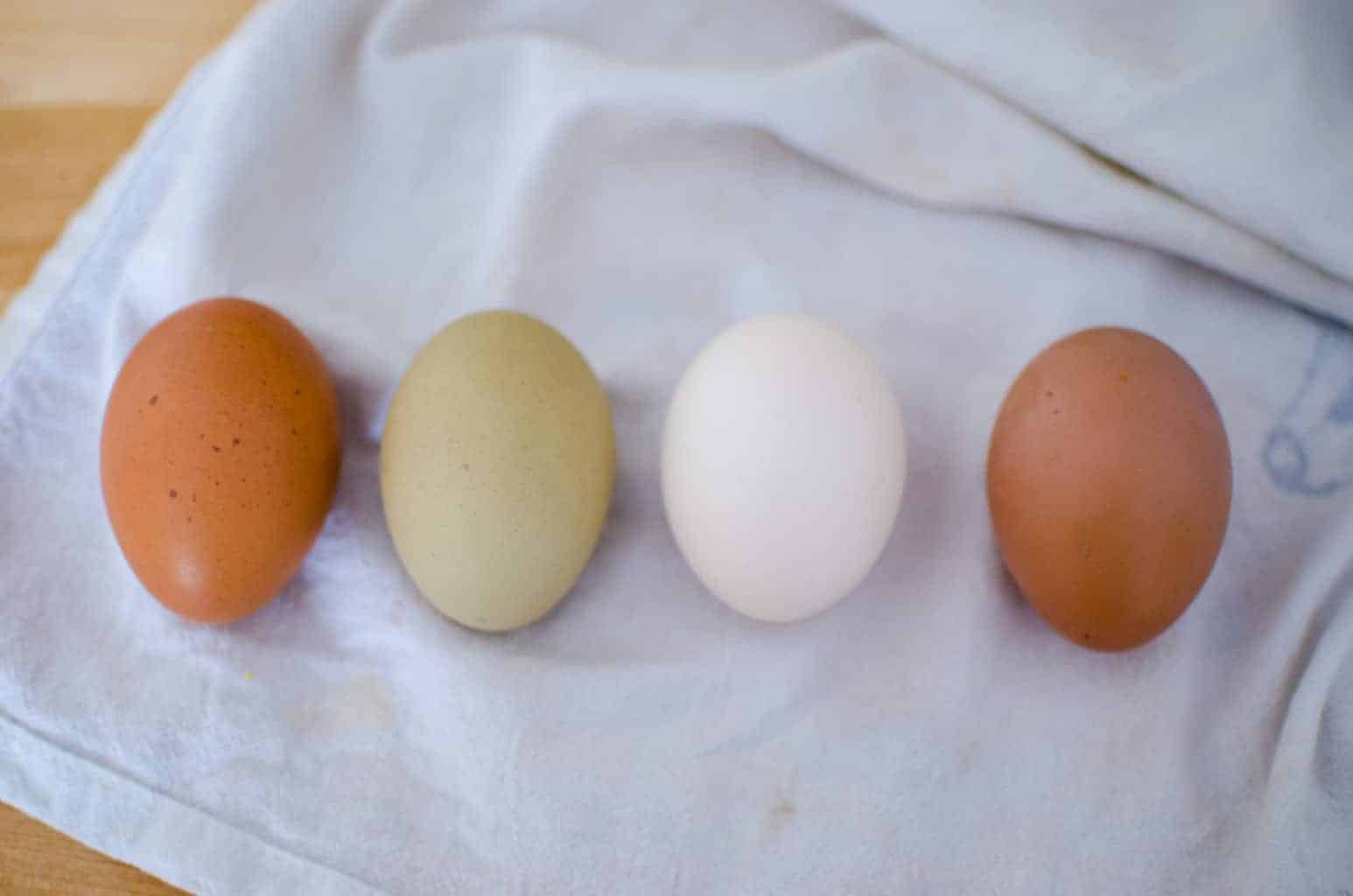
While we don’t like to talk about it, all of us that are on the road to sustainability know that it’s necessary. As you begin to breed and plan out your breeding programs, you’ll come to enjoy the process of connecting with your livestock and pulling out the desirable traits that you wish to see. It’s an incredible experience to be able to tailor your livestock herds and flocks to what you need on your own homestead.

So whether you’re breeding for sustainability, conformation, egg color and production, meat production, foraging ability, or just pretty livestock—consider all of these things before your next breeding adventure. And you just may like what nature has in store for you next time around!



By: Amy K. Fewell · In: chickens, Featured, homesteading, rabbits · Tagged: breeding, chickens, cull, culling, landrace, The Natural Chicken Keeper's Handbook

you’ll also love

15 Chicken Processing Day Mistakes That Waste Time and Meat
The Two-Breed System for Year-Round Meat Chicken Breeding
When and Why Do Chickens Molt?

Reader Interactions

Comments

  1. Amy says

    April 18, 2018 at 5:58 pm

    As a wannabe sustainable farmer, I appreciate the information in this post. The idea of culling is a tough one for me but I know it’s for the best. It’s nice to read honest material such as this, as my family is in the saving/planning stage for our farm. It helps me have a realistic view of the whole process.

    • amyfewell says

      April 18, 2018 at 7:06 pm

      I’m so happy it was helpful for you!

  2. Abby Butterfield says

    April 27, 2018 at 11:43 pm

    This is a great article! We are on our fourth year of raising chickens, and no matter how much space we give our chickens we have problems with feather picking. We are at a loss feeling like all the money spent on non gmo feed, free ranging on two acres and a large coop with plenty of nesting boxes doesn’t even matter. I keep feeling like we should start over with a whole new set of chicks but it just isn’t cost effective. My only other alternative is to cull the culprits we believe to be doing the feather picking, although we have had a problem with each flock we have for some reason. We have resorted again to using peepers, tried the no pick solution etc. Just posted on Craigslist to see if some can be removed but so far no interest as we are in a rural area. Do you have any experience with chickens pulling out each other’s feathers??

    • amyfewell says

      April 28, 2018 at 2:07 am

      Goodness, Abby! That sounds frustrating! So sorry you are dealing with this. Do you have a rooster with each flock? If so, that could the culprit. It might not be feather picking at all, it could be rooster tread or other issues.

  3. Samantha says

    February 22, 2021 at 4:52 am

    This is a great article, and reminds me that I not only want the best layer (easy on the hens with good production) and meat, I also should be looking at survival and overall health and function. Thank you!

  4. Diana Landsness says

    September 2, 2021 at 4:02 pm

    I too have a problem with feather plucking. I’ve seen it both inside my chop and while free range. But I also have a very horny and aggressive rooster who is tearing up the hens combs and feathers on their backs. He has gotten very aggressive toward me and my husband although he had learned not to attach the 2 dogs. They taught him (named the rooster Cock) that they can bite back. I think he got so mean because of last winter it got so cold that while I made the mistake of letting them out of their coop thinking they would be fine and not monitoring the weather until it was too late. I found them all huddled outside the coup and his waddles frozen solid. He ended up with severe frost bite on his Comb and feet. I’m still fighting with one sore on his thumb toe that I have had to cut out 3 times now and currently have willapa up again. We immediately brought him inside after putting the hens up. We keeper him wrapped in a towel on our lap and used our hands to help warm his waddles until they thawed out. He went through hell while healing and ended up losing both waddles to gangrene. If interested in seeing, I did take pictures. I even tried saving them with antibiotics. But as for the plucking by a few of my other hens. One more so than the others and three largest. I think that the 6 weeks when Cock was in our house healing she took over the coop as boss and is still very bossy with towards the other hens even with Cock out there. He’s had to put her in her place a few times. I want to get rid of Cock because of the aggressiveness towards us and the 12 hens he has. But my husband just loves him even though he attacks him when he gets close to the coop and lets them out. I used the hot potato method the shorten his spurs because he has punctured my legs 5 times with them. All I was doing was filling there food and water. Yes they free range but only on 1/2 acre of the 1.5 acres. What would you suggest. I am handicapped and have trouble at times of getting out to lock them up before dark. Try to because we caught a possum and have seen a fox walking down the street a few times. We made a raised coop but still need to make a pen. We have only had chickens for a year and a half. Newbies.

Next Post >

Starting Herb Seeds and Homemade Potting Soil (with video)

Primary Sidebar

meet amy

meet amy
hello!

I'm Amy. I love organic food but I love cookies too I love Jesus and His grace. I believe broken people make the biggest impact in the world when they share their stories. I believe in stories, and I'm sharing mine.

Read More

Connect

Search

Ads & Sponsors

200x400

Advertise

Follow Along

@amy.fewell

I’m seeing the whole “glyphosate” caused the Canad I’m seeing the whole “glyphosate” caused the Canadian wildfire thing. And about how they are spraying it everywhere and that’s why the fires have started. And we can’t breathe etc etc. That could be true. But I don’t think most people realize this isn’t new. 

Just last year Shenandoah National Park sprayed insecticides all over the park. Where do you think that overspray went? On people’s properties, in the air, in your garden, and even settling on properties hundreds of miles away since it was airborne. 

None of this is new. It’s been happening for over a decade. Our air is toxic. Period. It’s not because of something new. You’ve been eating and breathing in this stuff most likely your entire life.

Here’s what I hope everyone will do—get serious about it. When you hear it’s going to happen (they often announce it before they do it) get loud to your local authorities. If you’re concerned about it nationally, get loud at your statehouses. 

The world is finally waking up to what many of us have been screaming for 20 years. Yet we were called the crazy ones. 

Brings a whole new meaning to Mark 16:18–they will drink poison, and it will not hurt them. 

This has been our prayer for our family. But we can’t pray this while not fighting the issue.
It’s a sad reality. But it’s the truth. And here’s It’s a sad reality. But it’s the truth. And here’s why.

Our current American generations are not homestead or agricultural minded. The regenerative agrarian movement is still very young here. And the farmers and land owners who are much older and ready to sell their property are almost always doing it so that they can have a retirement and healthcare fund. There’s no money in the way old timers did farming. That’s kind of the long game conventional ag played them into.

I watched my grandfather sell every cow he had (even though he didn’t want to) so that he could put money into their bank account so that they would never have to go into a nursing home. 

I’ve talked to people who have held onto land thinking their children would steward it, only to realize they don’t even want to live in the same state is them. They want an inheritance for their kids. Can you blame them? 

There are certainly people buying land from farmers for far less than a data center would, and then being conniving and selling it the following month to a data center. This happens over and over again. 

But there are also people who just want to sell their land and be left alone. They think the state is going to “hell in a hand basket” anyhow, so what’s it matter to them. 

Here’s the catch—whether they sell it to a data center or not, it is clear they want high dollar for their property. And they will sell it to the next developer of 350 new homes on .2 acres that comes along. Or the next millionaire that wants to save it. 

Which one will come first? Time will tell. I’ve seen both. Don’t lose hope.

Pray that people would be obedient to the Holy Spirit. He is quickening many to buy large plots of land right now, but it only happens if they say “yes”. Pray that the Lord would extend more and more wealth to His people so that we can steward it well into expanding in more land ownership.

Continue changing the culture. Don’t give up hope. Raise your kids close to Jesus and agriculture. Teach them honor and stewardship. Teach your community and friends. The next generation won’t fail this task—they will understand the assignment. But until then, raise
We have become very good at buying supplements. A We have become very good at buying supplements.

A new vitamin for energy. A probiotic for digestion. An herb for stress. A powder for inflammation. Another bottle promising to support the immune system. And some of those things can be incredibly useful.

But there is a question we often fail to ask:
Is my body able to properly digest, absorb, and use what I am giving it?

Our wellness cabinets can be overflowing while our understanding of the body remains painfully limited. This is why I believe gut health must be approached with education—not simply another shopping list.

You need to understand what prebiotics and probiotics actually do. You need to know where enzymes fit into digestion. You need to learn how food, fiber, fermented foods, herbs, stress, and everyday habits can influence the digestive process.

You do not need to become fearful of food. You do not need to purchase every supplement someone recommends. You do not need to follow every wellness trend that moves across your screen.

But you do need knowledge.

That is why I created The Gut Health Handbook for Women—and Men! It walks you through the foundations of digestive health and gives you practical information you can begin using in your own home.

Before you buy another supplement, take time to understand the body you are trying to support.

🌿 Comment GUT and I’ll send it straight to your inbox.

This handbook is educational and is not a substitute for individualized medical care.
It’s ok if your family is different. It’s ok if y It’s ok if your family is different. 
It’s ok if you stay at home with your kids and raise them the way God intended. 
It’s ok if your kids don’t spend all their waking moments entertained with extra curricular activities away from home.
It’s ok if you make your kids help you clean the house, milk the cows, and weed the garden.
It’s ok if you chose unconventional healthcare and your kids have never been to an allopathic doctor. 
It’s ok if you and your husband actually communicate and love each other.
It’s ok if your teenager has boundaries and they aren’t allowed to be of the world before they are mature enough to handle it with wisdom. 
It’s ok…and I thought you should know that. And I think you should know that if you don’t believe any of those things, too. 

I will never apologize for homeschooling my kids and not allowing them to be part of an indoctrinated system. I have seen that village, and I want no part of it. The fornication culture, competition culture, and consumer culture isn’t for us. We unsubscribe. 

Instead I want kids who an independent, self-driven, discerning, clear minded, honoring, not fighting to “be loved”, wise, kind, modest, loving, and courageous. I want my boys to be warriors, yet gentle enough to hold their wife and babies. I want my girls to be gentle, but courageous enough to stand up against injustice. 

There is an innocence that our children have been losing sooner and sooner with each generation. I want my kids to be informed but not consumed. I want their minds to be full of Christ before the world fights for their attention. I want their lives to be influenced by God fearing people so they aren’t corrupted by worldly people when they leave here. I want them to be so confident in who they are in Christ, that no one can convince them they aren’t good enough.

And that’s ok.
I've been talking about famine, but I had no idea I've been talking about famine, but I had no idea that God would be talking to me so personally about famine right here on my homestead this year. Not in the way you may think.

In the springtime I began ripping this wild herb out of my garden beds. It didn't make sense—the seed bank in these beds should be long gone of weeds overtaking them. But here I was, ripping out this plant by the barrel load. 

Suddenly I stopped, got out of my tunnel vision, and thought to myself—if it doesn't make sense, then what is God trying to show me? My goodness, was I shocked when I really dove into the history and uses of this beautiful wild plant. 

Historically, lambs quarters was used as a crop for livestock and humans because it was drought resistant. During great famines, lambs quarter leaves were eaten extensively, and the seeds were saved and used like quinoa. This plan is still widely used in places like Africa today, where produce and rain is scarce. 

Lambs quarters has pretty much every mineral your body would ever need. It has 200% MORE calcium, iron, magnesium, potassium, zinc, vitamins, Omega-3 fatty acids, and protein than kale and spinach (and other common leafy greens). Making it the exceptional famine food. 

Our ancestors ate it regularly as a gentle anti parasitic, anti inflammatory, antioxidant, and for liver support.

I plan to save most of the seeds from the plants I've let take over a bed, and cultivate it widely on our homestead.

I wrote all about this incredible plant in a brand new blog post on my website. 
 
🌾 Comment LAMB and I'll send it straight to your inbox.

Footer

Learn More

Chickens
Homemaking
Herbs
Recipes
Devotionals

Info

About
Contact
Privacy Policy
Shop

stay in the know

Copyright © 2026 · Theme by 17th Avenue